London Metropolitan Archives

London Metropolitan Archives

London Metropolitan Archives

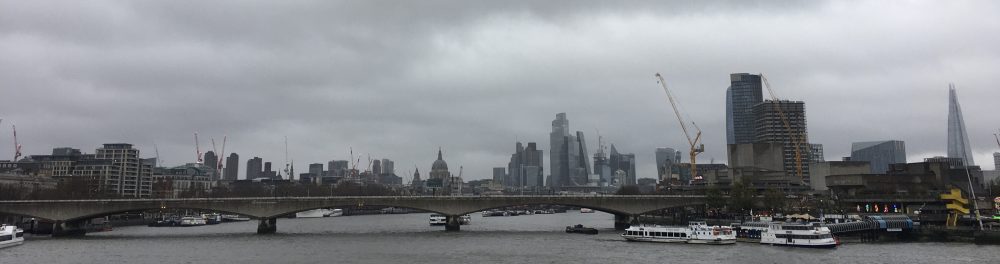
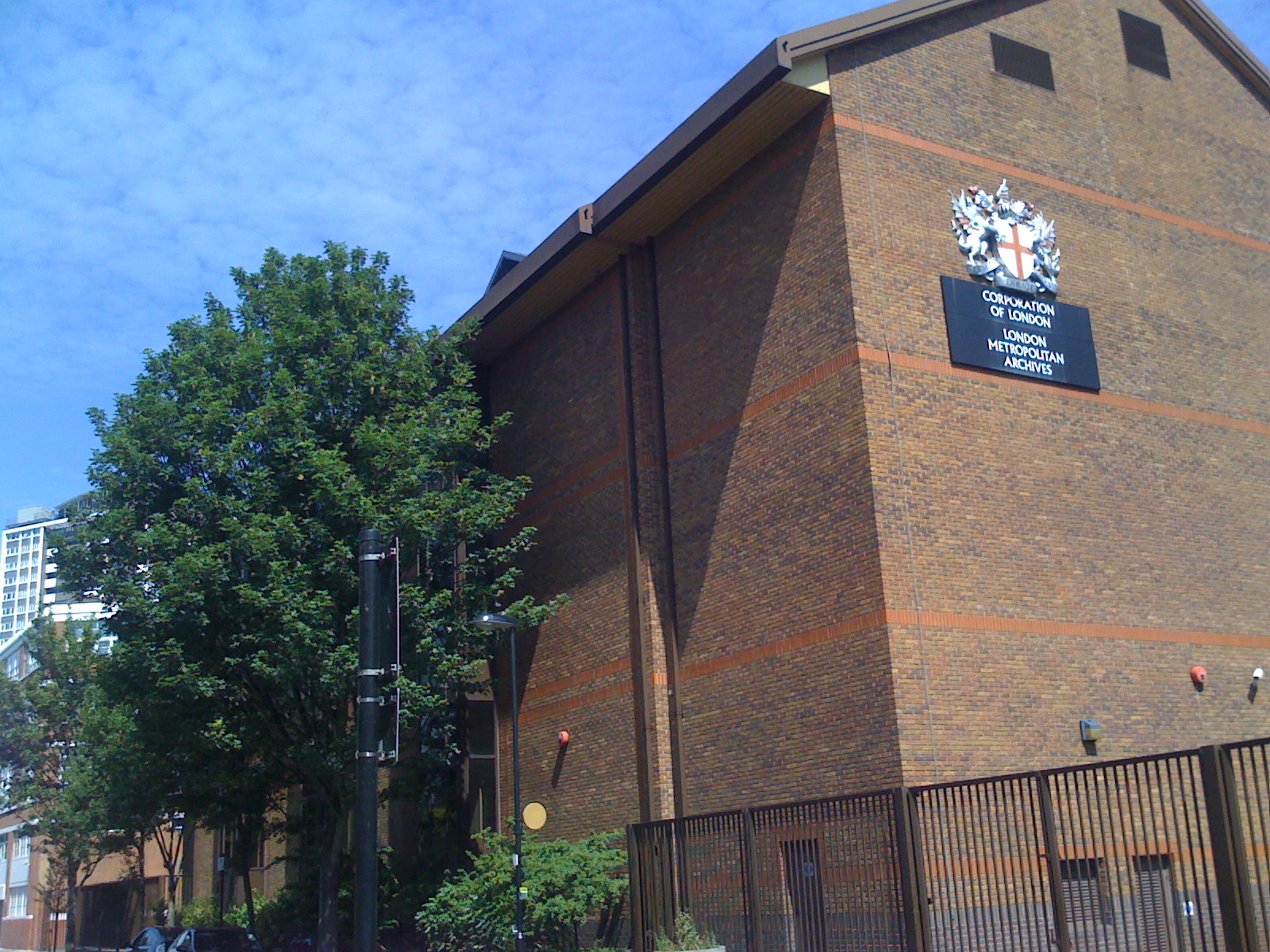
I visited the London Metropolitan Archives yesterday, for a talk on the history of Regent’s Park. As a royal park, much of the related archive material is held at Windsor Castle, but the LMA has a wealth of photographs, some children’s journals and fantastic maps which relate to the development of the park from the time of Henry VIII.

Looking at the maps, (from 1571) it is easy to see how buildings encroached rapidly on the fields surrounding the initial City of London, the parkland being specially protected as first a hunting ground, then land for agriculture, then as a royal park designed by John  Nash.

Photographs showed architectural triumphs, many still with us today, and the activities  enjoyed by our ancestors – visiting the zoo amongst them.

The archives are open to the public, and their seminars are certainly worth attending if you are interested in London and its history.

@lynrobinson #1

lynxiReading The Twitter Book (#twitterbook), the writing style is fluid and the format readily ingested – there is a lot of stuff you can do with 140 characters.

Twitter is starting to work for me – a colleague commented yesterday that the limitation on word length instilled confidence that in choosing to follow those with a tendency towards verbosity, the pain would be limited.  Communicating via tweets seems as easy as texting, not as demanding as IM and far easier than composing a blog posting. It can be informal whilst not too personally revealing, although if you are into revealing there are people out there for you too.

My thoughts are towards using twitter to communicate with colleagues and students – the occasional tweet giving colleagues a brief insight into what I am doing without needing to read for 3 hours or have a meeting

For students I am interested in exploring the use of a hashtag to denote tweets about our courses in general and about working on the final year dissertation specifically – we currently use the bulletin board on our e-learning system, but I think twitter offers a more flexible and attractive realm for real-time communication – many students study part-time and travel to London irregularly – so a community on twitter may alleviate the sense of isolation that can be a bit depressing – it is good to know others are stuck writing their literature review and analysing questionnaires as well

So if you are studying with us already or planning to join #citylis in September sign up to twitter and follow me (shameless plea for followers, I know) – but let’s see if this can work.